Newsletter Subscribe
Enter your email address below and subscribe to our newsletter

 ByJohn A
A thoughtfully designed outdoor area can improve the appearance, functionality, and usability of a property. Gardens, lawns, pathways, outdoor entertaining areas, planting, and hard landscaping features can all contribute to a well-organised outdoor environment.
Professional Landscaping Services in Wollongong can help homeowners, businesses, developers, and property owners create outdoor spaces that suit the property’s layout and intended use.
Landscaping can involve much more than planting flowers or installing grass. A complete project may include garden design, soil preparation, turf installation, paving, retaining walls, drainage, planting, garden edging, outdoor structures, and ongoing maintenance.
Because every property is different, landscape planning should consider the available space, sunlight, soil, drainage, existing structures, access, and maintenance requirements.
Landscaping involves planning, creating, improving, and maintaining outdoor areas.
It can combine natural features such as lawns, trees, shrubs, flowers, and garden beds with constructed features such as paving, pathways, retaining walls, steps, and outdoor entertaining areas.
Some projects may involve a simple garden improvement, while others may require a complete redesign of a property’s outdoor environment.
Professional landscaping can bring these different elements together to create a cohesive and functional space.
Residential landscaping can transform front gardens, backyards, side areas, and outdoor living spaces.
Homeowners may want their garden to provide an area for:
The design should reflect how the property will be used.
For smaller gardens, efficient use of space can be particularly important. Larger properties may provide opportunities for multiple zones, including lawns, planting areas, pathways, patios, and entertainment spaces.
Commercial landscaping can improve outdoor environments around offices, retail properties, accommodation facilities, developments, and other business premises.
Commercial landscapes may include entrance gardens, lawns, pathways, planted areas, outdoor seating, and other features.
The design needs to consider practical requirements such as access, foot traffic, maintenance, drainage, and the overall appearance of the property.
Professional Landscaping Services in Wollongong can help businesses develop outdoor spaces that are both practical and visually appropriate.
Good landscaping begins with careful planning.
Before selecting plants or materials, it is useful to assess the property’s existing conditions.
Important considerations can include:
Understanding these factors can help create a landscape that works with the property rather than against it.
Plants are one of the most visible components of a landscape.
Different plants have different requirements for sunlight, water, soil, space, and maintenance. Choosing plants that are suitable for the conditions of the property can make the garden easier to manage.
Plant placement should also account for future growth. Large plants require adequate space, while smaller plants can be used to create borders, layers, and visual transitions.
A combination of different plant sizes and textures can create a more varied landscape.
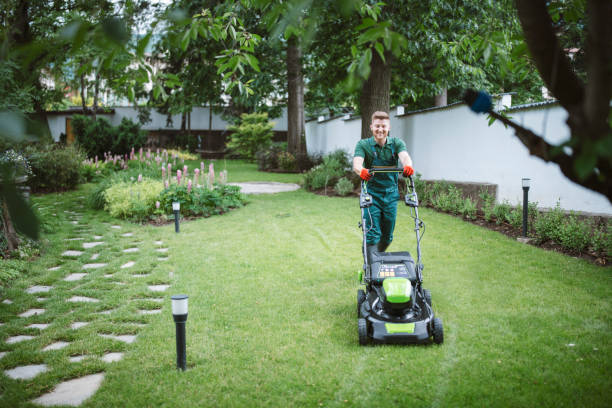
A lawn can provide an open and practical area within a garden.
Turf may be used for recreation, relaxation, outdoor activities, or as a visual feature that connects different parts of the landscape.
Before turf is installed, the soil should be prepared and the area levelled appropriately.
Professional Landscaping Services in Wollongong can incorporate lawn areas into broader garden designs alongside planting, paving, retaining walls, and outdoor living spaces.
Hard landscaping refers to constructed elements within an outdoor area.
Common examples include:
Hard landscaping can provide structure and improve access throughout the garden.
It can also define different areas of the property and create clear transitions between lawns, gardens, and entertainment spaces.
Retaining walls can be used to manage changes in ground level and create defined landscape areas.
Properties with slopes may benefit from carefully planned levels and terraces.
Retaining walls can help create garden beds or more usable areas within a sloping property.
The design and construction of retaining structures should take into account the site’s conditions and relevant project requirements.
Drainage is an important part of landscape planning.
Water needs to be managed appropriately around lawns, garden beds, pathways, retaining walls, and buildings.
Factors such as soil type, property slope, existing drainage, and proposed landscape levels can influence the way water moves across a property.
Considering drainage during the design stage can help reduce potential water-related problems later.
Outdoor entertainment areas can extend the usable space of a home.
Patios, paved areas, lawns, garden beds, seating spaces, and pathways can be combined to create an outdoor environment suitable for entertaining.
The layout should provide convenient movement between the house and different areas of the garden.
Materials should also be selected according to appearance, durability, maintenance requirements, and intended use.
Pathways can provide practical access through a garden while also contributing to the overall design.
They can connect entrances, outdoor entertainment areas, lawns, garden beds, and other features.
Pathways can be designed using different materials and shapes depending on the property’s style.
Proper positioning can help create natural movement through the outdoor space.
Healthy landscaping begins with suitable soil.
Before planting or installing turf, the soil may need to be improved, levelled, or prepared according to the requirements of the proposed landscape.
Soil condition can affect plant growth and lawn establishment.
Preparing the ground before landscaping features are installed can provide a better foundation for future garden growth.
Landscaping solutions can be adapted to properties of different sizes.
Small outdoor spaces may benefit from carefully selected plants, compact garden features, vertical planting, and efficient pathways.
Larger properties can accommodate more extensive lawns, garden beds, trees, entertainment areas, and pathways.
The key is to use the available space according to the property’s intended purpose.
Some property owners prefer outdoor spaces that require less ongoing maintenance.
A low-maintenance landscape may involve carefully selected plants, efficient irrigation, durable hard landscaping materials, and lawn areas that are easy to manage.
Maintenance requirements should be considered during the design stage rather than after the landscape has been completed.
Landscaping requires ongoing care to preserve its appearance and condition.
Maintenance may include:
The exact maintenance requirements depend on the design and plant selection.
Regular maintenance can help keep the outdoor space healthy and attractive.
When choosing a landscaping contractor, property owners should consider experience, project capabilities, equipment, design knowledge, and understanding of the property’s requirements.
It can be helpful to discuss the desired style, intended use, available space, maintenance expectations, project timeframe, and overall scope before work begins.
Clear communication can help ensure that the completed landscape reflects the property’s practical needs.
Landscaping can form part of a broader property improvement project.
A new garden may be combined with driveway upgrades, fencing, outdoor construction, drainage improvements, turf installation, or retaining walls.
Coordinating these elements can help create a more consistent result.
Professional landscaping can help property owners make better use of their outdoor areas.
Experienced landscapers can coordinate planting, lawns, paving, drainage, garden structures, and other elements.
Professional planning can also help ensure that different features work together effectively.
A well-designed landscape can create an attractive and functional outdoor environment for residential and commercial properties. From garden design and planting to turf, paving, retaining walls, drainage, pathways, and outdoor entertainment areas, every feature can contribute to the overall result.
Professional Landscaping Services in Wollongong can help property owners plan and develop outdoor spaces around their specific requirements. With suitable planning, materials, plants, and ongoing maintenance, a landscaped area can remain practical, attractive, and enjoyable for years to come.